



Demand Response and Peak Shaving: Avoid Counting the Same BESS Benefit Twice
Check dispatch conflicts, reserve and incremental value before combining BESS demand response with peak shaving.

Battery Augmentation: Model Future Capacity Before the First Installation
Plan BESS augmentation around retained usable energy, degradation, interfaces, downtime and future installation costs.

BESS Site Selection: Review Flood Exposure, Access and Maintenance Space
Review BESS flood exposure, delivery access, cooling and maintenance space before fixing the cabinet or container location.

BESS Remote Monitoring: What Must Continue When the Internet Fails?
Define which BESS controls must work offline, then test loss of internet, local alarms, command expiry and safe reconnection.
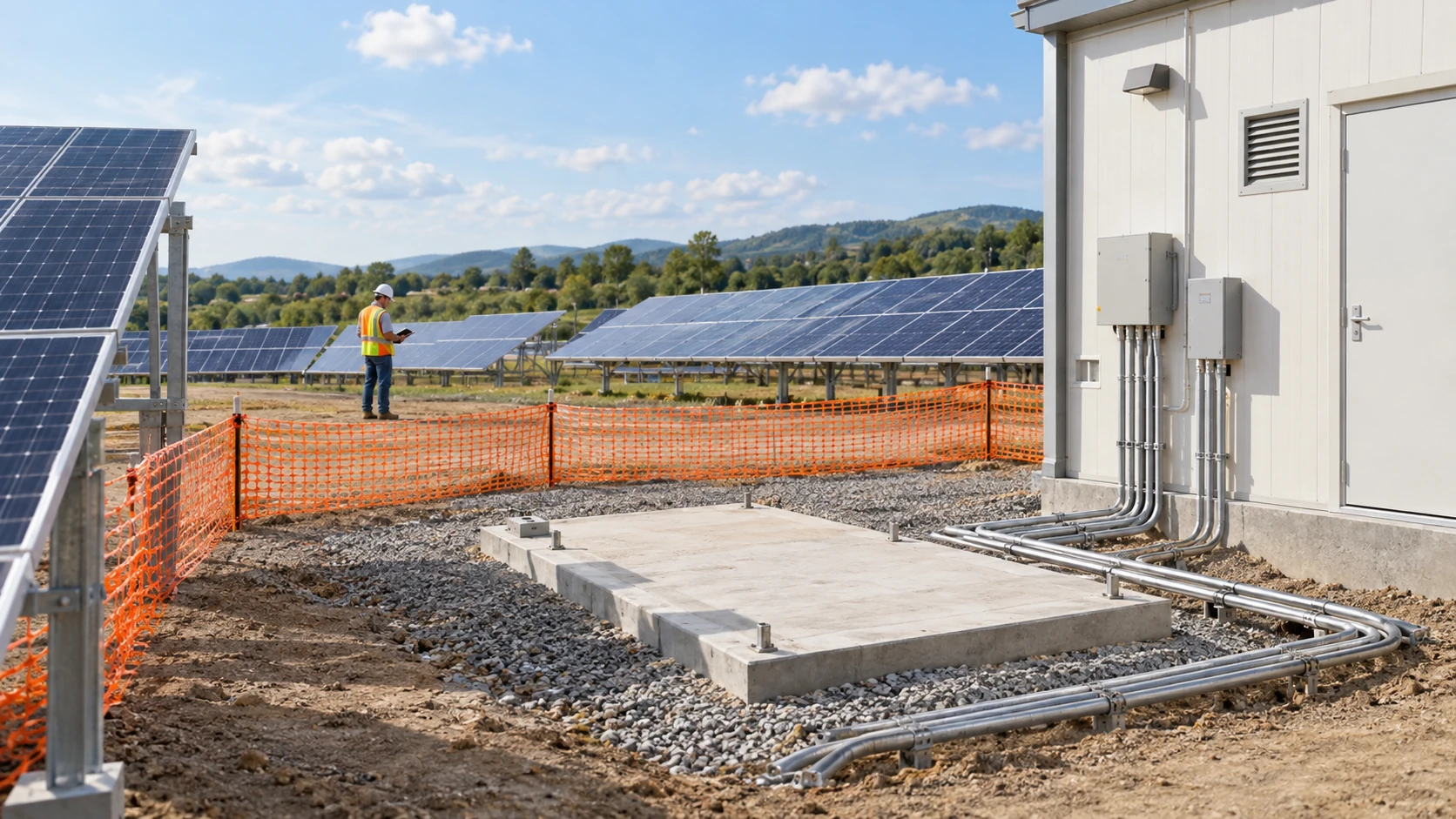
Retrofitting a Solar Site with BESS: Commission the New Control Boundary
Commission a solar BESS retrofit by verifying the new meter boundary, control ownership, export behavior and existing equipment interfaces.

Before Joining a VPP: Check BESS Availability, Metering and Reserve Conflicts
Assess BESS VPP participation through availability, metering, dispatch authority, backup reserve and contract evidence.
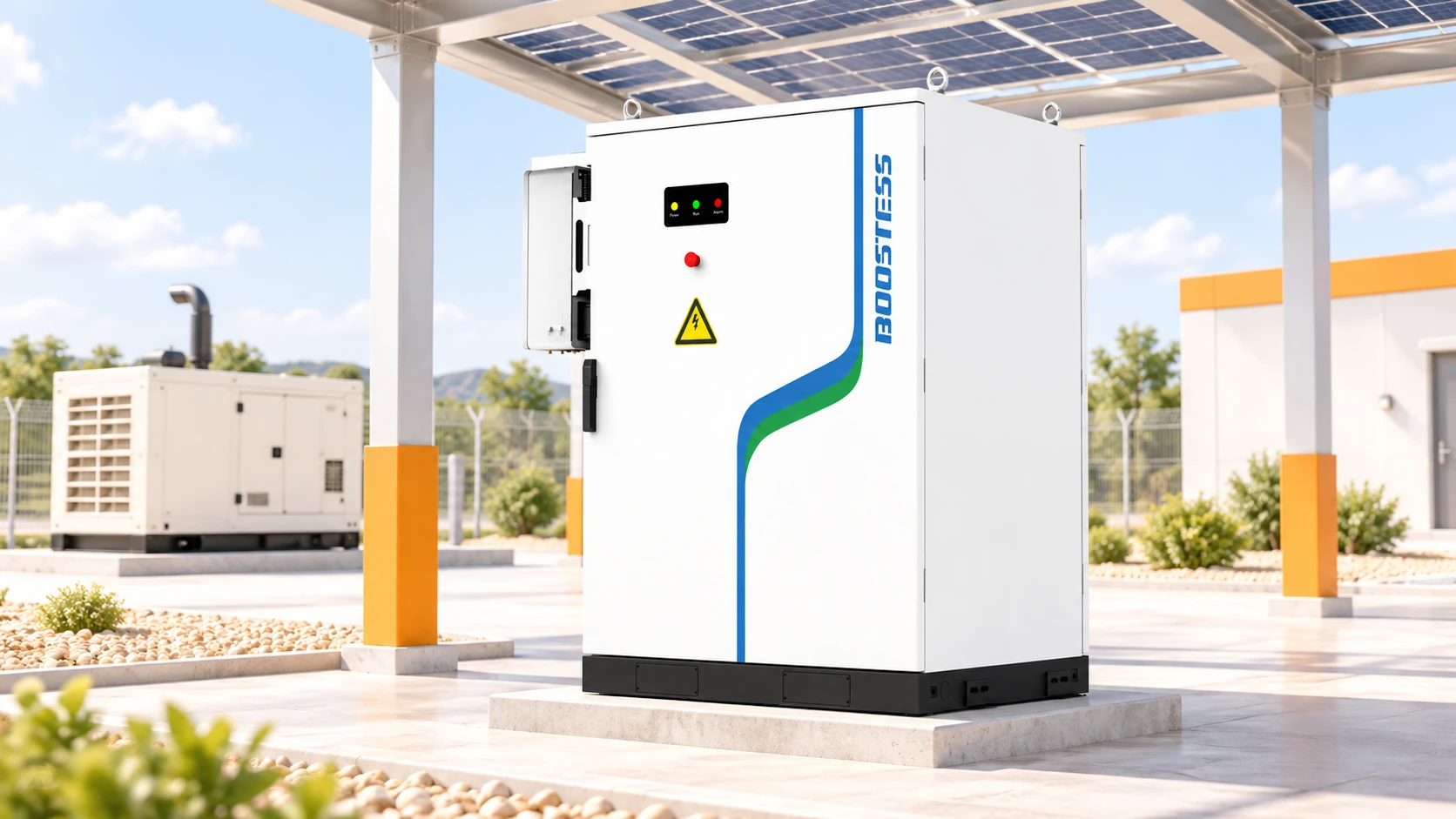
Solar-Diesel-Battery Microgrids: Keep Generator Limits in the Dispatch Plan
Coordinate solar, diesel and battery dispatch with generator operating limits, charge headroom and tested recovery sequences.

BESS Interconnection: Prepare the Utility Data Package Early
Prepare BESS interconnection drawings, operating modes and protection evidence early, with a clear document ownership and revision process.

Backup Reserve vs Daily Savings: Set a BESS SOC Policy
Set a battery backup reserve policy that balances outage autonomy and daily dispatch, using explicit energy assumptions and control rules.

Shared BESS in an Industrial Park: Define the Metering Boundary
Plan shared industrial park battery storage around meter boundaries, tenant allocation, operating rights and verifiable performance data.